
No products in the cart.

Helena Blackburn

Cristytravels
Kyoto’s climate is generally mild, making it a great destination to visit throughout the year. Each season brings a special element to the atmosphere as the temperature ranges throughout the year but nothing to extreme.
Spring The ideal times to visit are during cherry blossom season in early April and fall foliage season in October-November.
Autumn A highlight of the fall season is the illuminated autumn leaves at all the Temples which can be experienced from November 11 to December 5. The temple gardens are beautifully lit, offering a unique and enchanting view of the autumn colors.
Consider visiting Kyoto in March, April, October, or November to avoid the crowds. These months offer pleasant weather and fewer tourists, making it easier to enjoy the city’s sights.
Explore Southern Higashiyama by visiting historic sites like Kiyomizu-dera and enjoy a serene tea ceremony at Shoren-in Temple.
Arashiyama offers iconic attractions such as the bamboo grove, Kinkaku-ji (Golden Pavilion), and delicious dining at Moritaya.
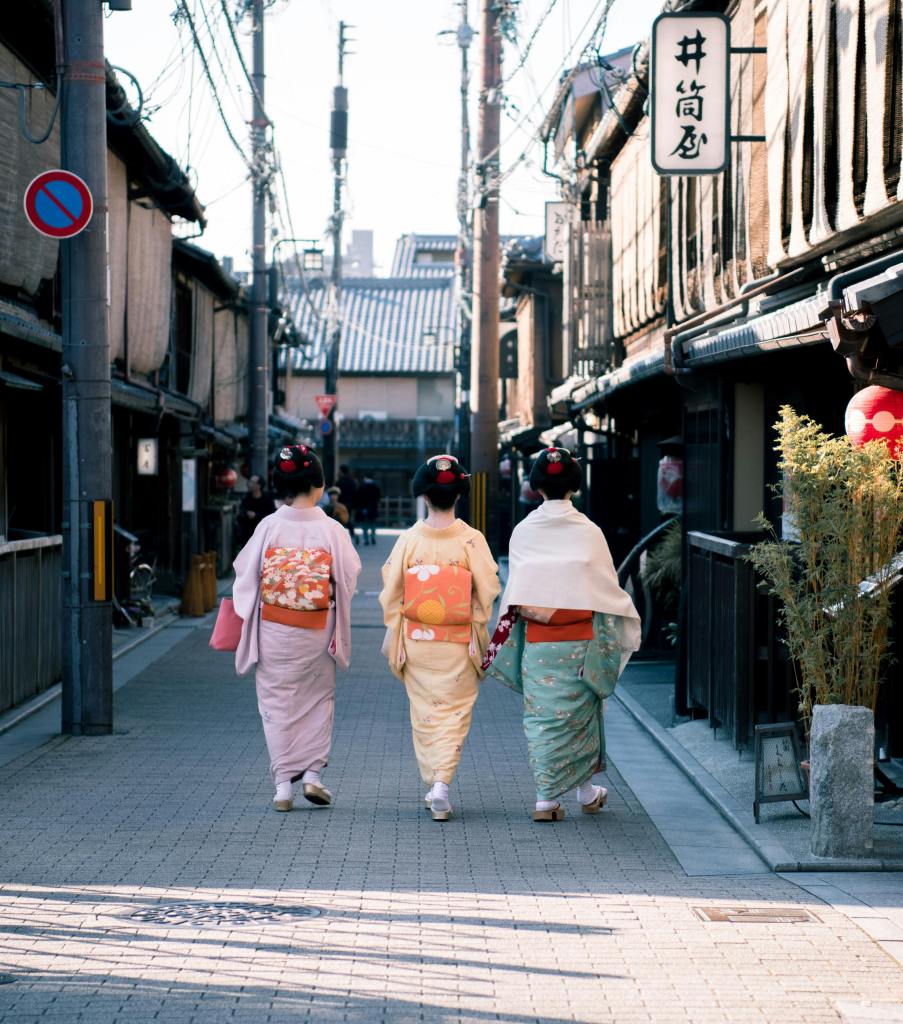
Don’t miss out on Kyoto’s cultural experiences, from kimono tea ceremonies to geisha performances, which provide a deep connection to Japan’s rich heritage.
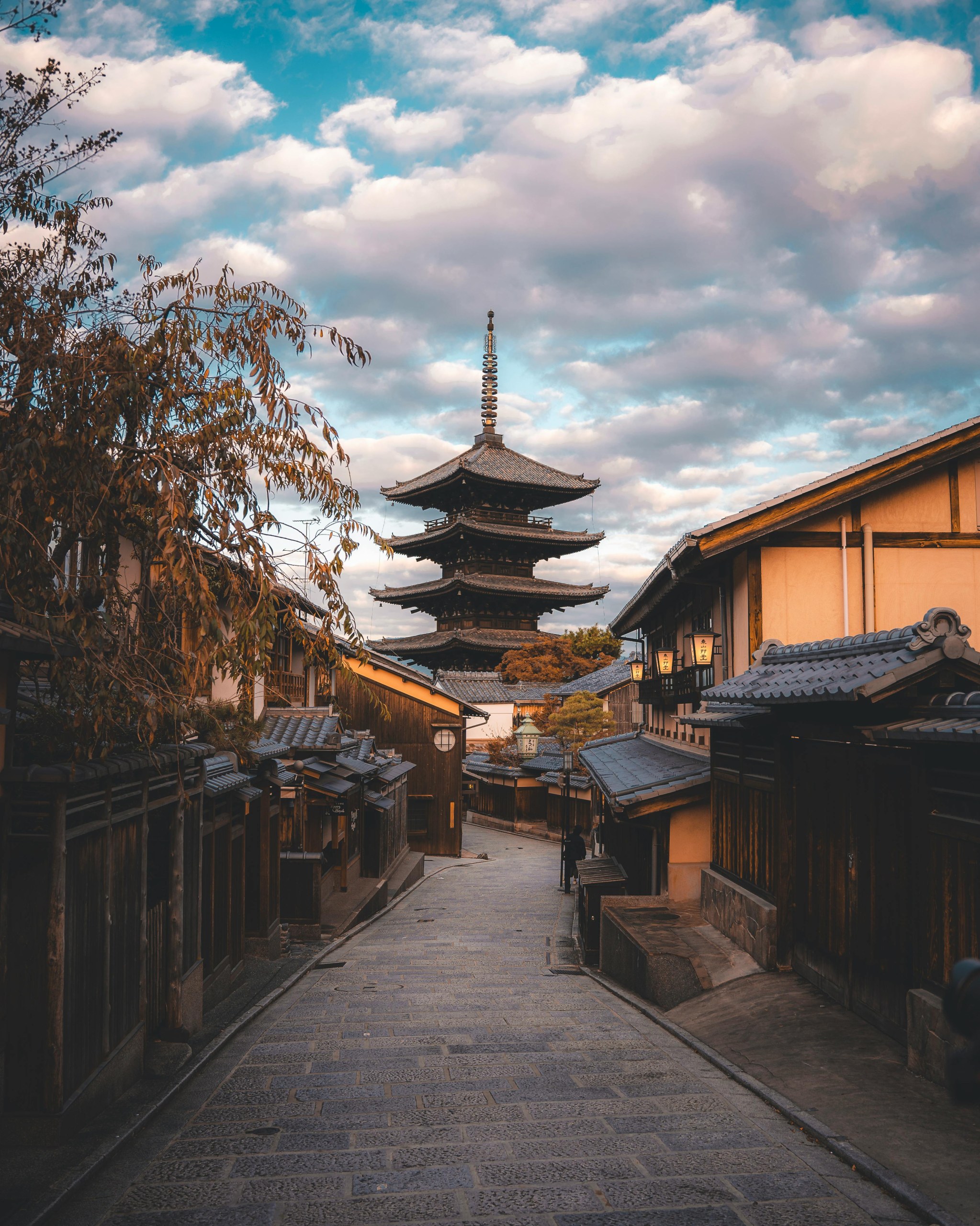
Explore the beautiful Southern Higashiyama street . This area is brimming with historical sites, traditional wooden houses, and picturesque streets, offering a perfect introduction to the city’s rich heritage. Keep an eye out here where you can spot real Geisha walking around. If you get lucky enough to spot the beautiful Geisha, remember to be respectful and not to chase them around with a camera. Try and catch the sunset here, the glow will light up the wooden streets like gold.
If you’re eager to see real Geisha and capture some photos, I highly recommend arranging a tea ceremony at the exclusive teahouse in the Gion Geisha District. This venue is recognized by the Japanese Ministry of Culture as a special preserved property. You can book the matcha tea ceremony, which will be led by authentic Geisha, through Kyoto Geisha Show & Experience GION MAIKOYA here . The experience includes a dance performance and the option to dress in a traditional kimono! If you’re looking for something a little more in depth, there are plenty of options available here to explore.
Adjacent to the river lies the vibrant Pontocho Alley, a narrow street with an array of restaurants and bars that have something for everyone. It’s always fun to wander through the lively alley, soaking in the bustling atmosphere, before grabbing some traditional Japanese cuisine at one of the many restaurants.
Navigating Kyoto is easy if you know what you’re doing. Luckily, I have all the tips! The Subway Karasuma Line connects underground to Kyoto Station, making it easy to get around. A one-day ticket is available for unlimited travel on the Subway and city buses, making this a cost-effective way to explore the city. If you don’t internet, having Google Maps downloaded offline can be a lifesaver when navigating Kyoto’s streets and public transportation.
Transfer at Tofukuji Station to access the Keihan Line from Kyoto Station. The bus system is also efficient, with buses in front of the ‘Central Exit’ of Kyoto Station, near Kyoto Tower.
Kyoto Station’s two main exits are the ‘Central Exit’ on the north side and the ‘Hachijo Exit’ on the south side. Knowing these exits can help you navigate the station, especially if arriving via Shinkansen.
TIP* Something you will see is very popular in Japan train statins is the option to store luggage. At Kyoto Station you can find luggage lockers for a small fee for the day.
The bullet train ride from Tokyo to Kyoto takes about 2 hours and 15 minutes. It’s a comfortable and quick journey! You can check out my detailed guide on visiting Tokyo and the Japan rail pass here
Start the day early with a leisure hike through the Fushimi Inari Shinto Shrine, a mountainside shrine going back to the seventh century with a long beautiful uphill path through hundreds of gates. This iconic site is one of Kyoto’s most famous landmarks. Dedicated to Inari, the Shinto god of rice, and is renowned for its thousands of bright red torii gates that create a stunning tunnel effect as you walk through. Admission here is free but there are plenty of guided tours available if you’re looking for something more in depth.
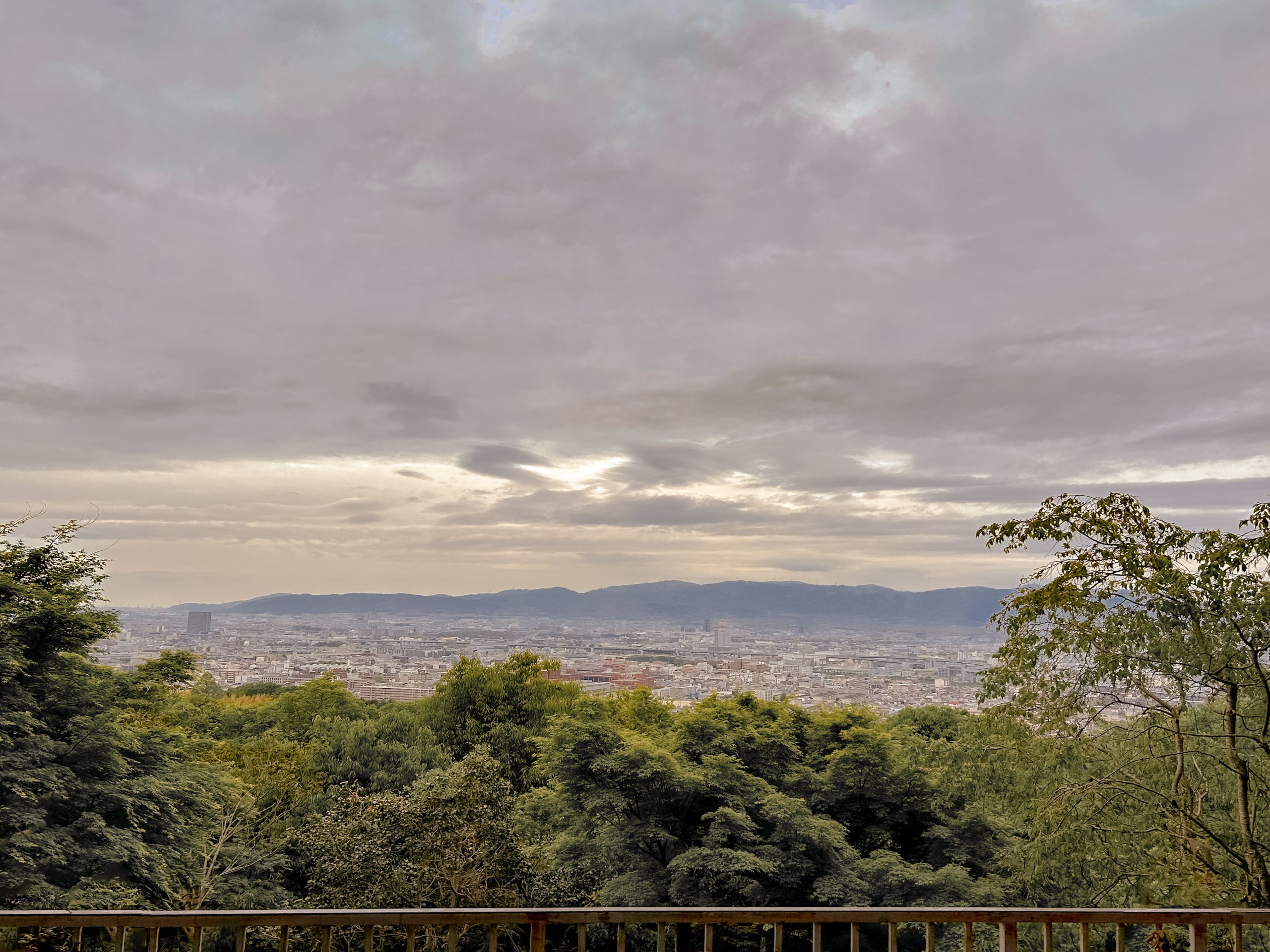
The early morning is a perfect time to visit, as you’ll avoid the crowds. As you go up the mountain, you’ll find smaller shrines and gorgeous viewpoints offering panoramic views of Kyoto. Be sure to wear comfortable shoes for the uphill walk to the top of the shrine. Don’t forget to stop at one of the food stalls near the entrance to sample some local foods, like inari sushi or yatsuhashi, a traditional sweet.
After a nice morning shrine hike, take a leisurely stroll through the charming Sannen-zaka and Ninen-zaka streets, lined with traditional wooden homes, shops, and restaurants, offering a glimpse into Kyoto’s past. It’s the perfect place to pick up some souvenirs or enjoy a traditional Japanese snack, like matcha-flavored sweets or freshly made yatsuhashi.
From here take a short walk along the “Nene no Michi” (Nene’s Path), is a beautiful street that connects the shopping area to Maruyama park.
Maruyama Park is renowned for its gardens. The park is great for a relaxing walk with plenty of spots to sit and enjoy nature. It’s especially breathtaking during cherry blossom season.
In the afternoon visit the Nijō Castle, a UNESCO World Heritage Site and a must-see landmark in Kyoto. Tickets can be purchased when you arrive. Constructed in 1603, this historic castle served as the residence of the first Shogun of the Edo Period, Tokugawa Ieyasu. It is famous for its beautiful architecture, intricate gardens, and the unique “nightingale floors” that chirp when walked on, designed to protect against intruders. The castle’s grounds feature two palaces, Ninomaru and Honmaru, each showcasing traditional Japanese design and artistry. As you explore the gardens, you’ll find a blend of cherry blossoms, maple trees, and meticulously maintained landscapes that change with the seasons, offering stunning views year-round. Nijō Castle provides a fascinating glimpse into Japan’s feudal history and the opulence of the Shogunate era.
Walking distance from the park you find Shoren-in Temple, here you can enjoy a serene tea ceremony overlooking its lush garden. The combination of green tea and traditional Japanese sweets is the perfect break from sightseeing and a chance to experience Kyoto’s tea culture. You can purchase tickets at the entry.
If you haven’t seen enough temples yet you can walk a short 3 minutes to Chion-in Temple, it is free to enter and the headquarters of a prominent school of Japanese Buddhism. The temple area is big, and it can take about an hour and a half to explore fully. If you appreciate Japanese architecture, a stop here will be worthwhile.
End the day with dinner at Moritaya, known for its Kansai-style sukiyaki or traditional Japanese hot pot of thinly sliced beef and vegetables. You can make a reservation online from the link I provided. You will then receive and email from them confirming the reservation. So keep an eye on your inbox.
After a little morning matcha, start the day early at the Arashiyama bamboo forest, a serene bamboo grove that towers over you. The famous bamboo forest has such a peaceful atmosphere, perfect for a morning stroll and a gorgeous backdrop for photos if you can beat the crowd. Unfortunately it was raining during our visit but that definitely didn’t stop us from appreciating the nature. Luckily they were selling ponchos just outside the area and crowds were sparse due to the rain! Entrance here is free.
Next, head over to Tenryu-ji Temple, the most significant Buddhist temple in Arashiyama, established in 1339. The temple grounds are vast and have some of the most gorgeous gardens that are available for an extra cost. There is a lot of beautiful nature to take in here and could take a couple hours depending on your pace through the gardens.
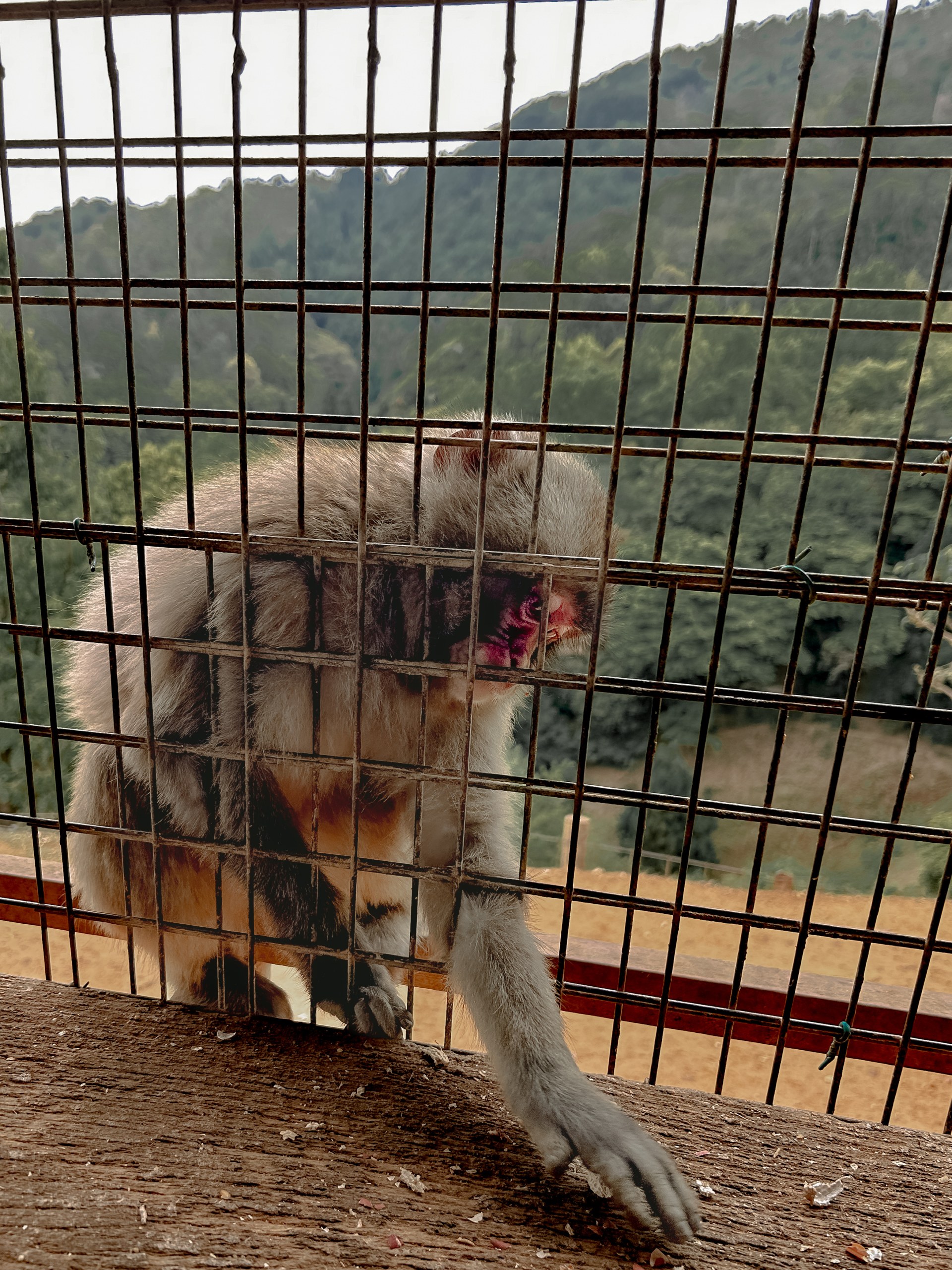
If you’re an animal lover like me, you’re going to love this activity the Arashiyama Monkey Park. Spend some time with the macaques monkeys. Here you can get up close with the monkeys and even feed them peanuts. Don’t be alarmed if they fight like little kids over who gets your treat lol. I could have easily spent all day here with them. They were so so adorable! This is a pretty popular activity in Kyoto so I would recommend booking your experience in advance. You can eaisly book here.
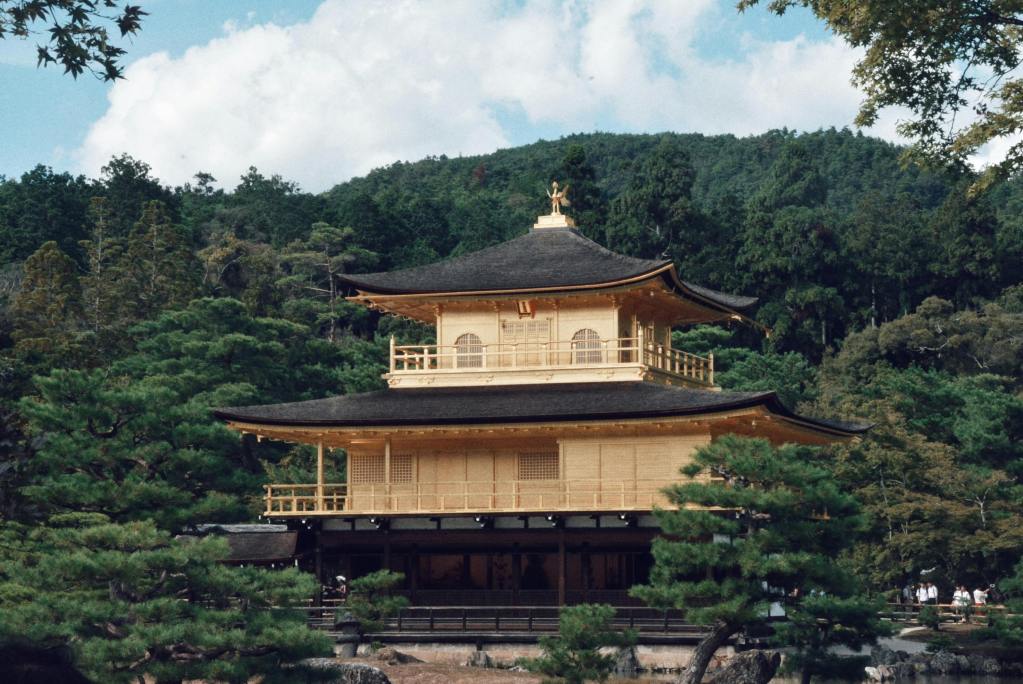
From here head over to Kinkaku-ji Temple, the famous Golden Pavilion. This iconic temple is known for its architecture and picturesque pond views. Visitors must follow a designated path, allowing everyone to enjoy the scenic beauty without interior access.
Indulging in ramen is an absolute must during your Kyoto visit. With a so many different styles and each chef offering their unique twist, tasting new ramen spots has become a beloved pastime of mine. Here are a few top recommendations.
First on the list is the renowned chain, Ichiran. Here, you order from a vending machine and enjoy your meal in a private booth where your ramen magically appears. If you haven’t tried ramen before this is a great spot to start.
For those seeking a richer broth, Honke Daiichi Asahi near the train station is a local favorite. Despite the potential 45-minute wait, the experience is well worth it and a bowl of their ramen is sure to warm your soul.
For a more sophisticated ramen experience, head to Wajouryoumen Sugari. You’ll have to wait in line here but it goes by quickly. This spot is famous for its savory fish broth, with a rich and delicious taste.
Spend your final day in Kyoto exploring Northern Higashiyama and downtown. This area is home to some of Kyoto’s most famous temples and vibrant markets.
Start your Kyoto morning at Ginkaku-ji Temple, known as the Silver Pavilion. This temple features a unique dry sand garden with raked sand cones and a moss, offering a zen experience like the life size version of the ones people have on their desk at home.
Don’t miss the walk along the Philosopher’s Path, a scenic route lined with cherry trees that bloom beautifully in spring. The path provides a peaceful setting for reflection of the trip and is a favorite spot for both locals and tourists.
Visit Nanzen-ji Temple, noted for its stunning architecture, large gate, and aqueduct. The temple grounds are expansive, allowing for a relaxing stroll and a chance to appreciate the beauty of traditional Japanese design.
For one of my favorite Japanese activities, head downtown to the Nishiki Market, one of the best places to dive into Kyoto cuisine head first. Filled with food vendors and artisanal goods, here, you’ll find everything from rolled egg omelette to beef sushi and tofu doughnuts, the market is a food lover’s paradise and a great place to sample local delicacies.
For a unique dining experience, visit Omen Noodles in the Higashiyama area. This popular eatery specializes in udon noodles, with standout dishes like Tori Sansho Yaki, grilled chicken seasoned with sansho pepper. The flavors are both comforting and distinctive, making it a must-try during your Kyoto trip.
Fans of gyoza should not miss Chao Chao Sanjo Kiyamachi, famous for serving some of the best gyoza in Kyoto. This crispy and juicy treat pairs perfectly with a cold drink.
Kaiseki cuisine is a must-try for those interested in traditional Japanese dining. This style of dining features a series of small, intricate dishes that showcase the chef’s skill and the season’s freshest ingredients. Each dish is a work of art, and the experience is both elegant and memorable.
In my opinion, the best area to stay in Kyoto is in the Gion and the Higashiyama District, known for it’s charm and cultural significance. Gion offers a ray of hotel options to meet all needs and budgets, however, a trip to Kyoto is not complete without experiencing a stay in a traditional Ryokan. A Ryokan is a traditional Japanese inn thats provides a unique opportunity to immerse yourself in the rich culture and hospitality of Japan. Ryokans are known for their tatami-matted rooms, futon bedding, and communal baths.
The Royokan we ended up choosing was incredible and did have private bathrooms as well as an adults only establishment. You can book here, keep in mind they sell out quickly YUZUYA RYOKAN ISSHINKYO GION
Staying in a ryokan really offers a taste of the traditional Japanese lifestyle, often including exquisite kaiseki meals that showcase seasonal ingredients and intricate preparation. Many ryokans are located in scenic areas with beautiful inner courtyard gardens that you wouldn’t expect from the outside. Since the architecture here is more traditional, keep in mind there is usually not access available to elevators or ramps. Take a look at some of the other options and find something that works for you.
TOKYO As the bustling capital of Japan, Tokyo is likely to be a key stop on your journey. This vibrant metropolis seamlessly blends the ultra-modern with the traditional, making it one of my favorite cities in the world. From the towering skyscrapers of Shinjuku to the historic temples of Asakusa, Tokyo offers a diverse array of sights. Don’t miss the iconic Shibuya Crossing, the tranquil Meiji Shrine, and the cutting-edge fashion district of Harajuku. Tokyo is also a food lover’s paradise, featuring everything from sushi to street food in the bustling Tsukiji Outer Market. For more on how to make the most of your visit, check out my 4 Days In Tokyo – The Ultimate Itinerary for Your Perfect Trip blog here.
NARA Just a short train ride from Kyoto, Nara is renowned for its historic treasures, including some of Japan’s oldest temples and shrines. The city is famous for Nara Park, where friendly deer roam freely, and Todai-ji Temple, which houses a giant bronze Buddha statue. The nature and beautiful gardens make Nara a perfect day trip from Kyoto.
OSAKA Known as the “Kitchen of Japan,” Osaka is famous for its culinary delights. Be sure to try local specialties like takoyaki (octopus balls) and okonomiyaki (savory pancakes). Beyond its food scene, Osaka boasts attractions such as the impressive Osaka Castle and the super fun entertainment district of Dotonbori, where neon lights and giant billboards create a lively atmosphere. Osaka is also home to Universal Studios Japan, a must-visit for families and thrill-seekers. Unfortunately this was completely sold out during months in advance. So if this is on your bucket list, book well in advance!
With just a three day itinerary, you can immerse yourself in the rich cultural heritage and natural beauty of Kyoto. From the historic streets of Southern Higashiyama to the landscapes of Arashiyama and the vibrant markets of downtown Kyoto, this itinerary offers a perfect blend of sights, food, and relaxation.
Subscribe to get the latest posts sent to your email.

Subscribe now to keep reading and get access to the full archive.






One Response
I love Kyoto. It’s also one of my favorite cities in Japan. This a great Itinerary for a visit in 3 days. I would also recommend adding an extra day to do a day trip to Nara.