4 Days In Tokyo – The Ultimate Itinerary for Your Perfect Trip

After visiting Tokyo twice now and each time falling in love with the city even more, I decided to put together the perfect 4-days in Tokyo itinerary highlighting the things I love most about the city, including some travel advice and local hidden gems. This Tokyo itinerary will take you from traditional temples to bustling markets, modern skyscrapers, serene parks, and of course, a bit of nightlife. Discover the best of Tokyo with my curated day-by-day Tokyo itinerary.
Written by

Helena Blackburn

Written by

Cristytravels

After visiting Tokyo twice now and each time falling in love with the city even more, I decided to put together the perfect 4-days in Tokyo itinerary highlighting the things I love most about the city, including some travel advice and local hidden gems. This Tokyo itinerary will take you from traditional temples to bustling markets, modern skyscrapers, serene parks, and of course, a bit of nightlife. Discover the best of Tokyo with my curated day-by-day Tokyo itinerary.

Things to Consider First

  • Tokyo is a city for all seasons, with spring and autumn offering particularly pleasant weather and beautiful scenery, but each season has unique attractions, from cherry blossoms to fall foliage and winter bliss.

  • Navigating Tokyo is easy thanks to its modern transportation network, including the Tokyo Metro, JR Yamanote Line, and the Suica IC Card, making travel around the city efficient and convenient.

  • Tokyo offers a diverse range of experiences, from traditional attractions like Senso-ji Temple and Tsukiji Fish Market to modern highlights such as Tokyo Skytree, Shibuya Crossing, and the innovative TeamLab Borderless Digital Art Museum.

Best Time to Visit Tokyo

The ideal time to travel to Tokyo largely depends on your personal preferences and planned activities. Tokyo experiences four distinct seasons, each offering unique advantages and opportunities for an amazing adventure. Spring and autumn are particularly popular times for visitors due to their amazing weather and beautiful natural scenery.

Spring, especially during the cherry blossom season, transforms Tokyo into a pink wonderland, attracting locals and tourists to parks and riversides for hanami (flower viewing) parties. The mild temperatures make it perfect for outdoor activities and sightseeing. We chose to visit Tokyo in the spring to catch the cherry blossoms. Despite planning our trip around the peak bloom season, we unfortunately missed them by just a few days. Keep in mind that with global warming, the typical season times can vary significantly.

Autumn brings a breathtaking display of red and orange foliage, creating picturesque landscapes throughout the city. The cooler weather is perfect for walking tours and strolling through Tokyo’s many gardens.

Summer and winter also have their charms. Here are some highlights of these seasons:

  • Summer: Vibrant festivals and outdoor events, although it can be hot and humid

  • Winter: Quieter atmosphere, winter wonderland, and the opportunity to enjoy hot springs

Ultimately, the best time to visit Tokyo depends on what you want to experience during your trip.

Getting Around Tokyo

While Tokyo’s vastness may initially seem overwhelming, the city’s has one of the most comprehensive and efficient transportation networks in the world. The Tokyo Metro system and JR Yamanote Line are the most convenient ways to get around, connecting you to major attractions and neighborhoods.

Japan By Train - A Quick Rundown

The Tokyo Metro operates nine lines that cover the city’s most popular areas, including Shibuya, Omotesando, Ginza, and Asakusa. Even if you don’t understand Japanese, it’s super easy to follow with their color coded system. For unlimited travel on Tokyo Metro and Toei Subway lines, consider purchasing the Tokyo Subway Pass, which is available for 24, 48, or 72 hours. Another convenient option is the Suica IC Card, a rechargeable card that can be used on various transportation systems and available for purchases at vending machines and stores. If you’re planning to explore beyond Tokyo, I highly recommend getting a Japan Rail Pass. These passes are exclusively discounted for non-Japanese residents to make it more affordable for tourism throughout the country. Some passes require you to order them up to two weeks in advance so they can be mailed to your home beforehand, so make sure to plan ahead.
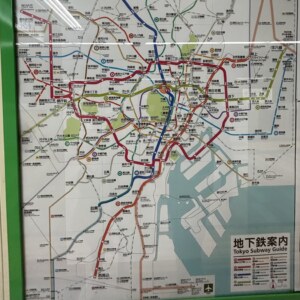
For a smoother journey, download the Tokyo Subway Navigation app, which provides train line maps, station exit tips, and directions to specific destinations using the subway system and google maps. Keep in mind that Tokyo trains generally run from 5 AM to midnight, so plan accordingly if you’re staying out late.

Consider using a Pasmo or Suica card for public transport. These IC cards simplify navigation and payment, allowing you to tap in and out of train stations and make purchases at convenience stores and vending machines. If you have a smartphone, you can even make your IC card virtual and refill the balance via your phone.

As long as you do a little planning ahead, getting around Tokyo is an absolute breeze. Not to mention they have some of the cleanest and safest trains in the world!
Essential Travel Tips for Visiting Tokyo

  • Avoid traveling during rush hours (8-10 AM and 6-8 PM on weekdays) trains during these times can get really crowded.

  • Staying connected is crucial, so look into options like prepaid SIM cards, data eSIMs, or pocket Wi-Fi rentals.

  • Download a translation app to help you read signs, menus, and get around. I use and love the Google Translate app.

  • It’s also a good idea to complete immigration and customs procedures via Visit Japan Web before you arrive.

  • Respect local customs by avoiding eating in public spaces like streets or trains. It’s also customary on trains to wear your backpack in-front of you to avoid hitting other passengers.

  • Booking skip-the-queue tickets for major attractions can save you a lot of waiting time, and using websites like Get Your Gudie can help you find deals on Tokyo passes and experiences.

  • Make time to check out some of Tokyo’s famous vending machine’s which you can find inside and around the train stations.

  • Finally, Don’t forget to catch the last train before midnight or be prepared for a really overpriced taxi ride back!

Itinerary for Tokyo in 4 Days.

Day 1: Traditional Tokyo by Day, Modern Tokyo by Night

Let’s Kick off your Tokyo exploration by delving into the city’s traditional side for the day. Start the day early at Tsukiji Fish Market for a seafood breakfast, then head to Asakusa to explore the historic Senso-ji Temple and Nakamise Shopping Street. In the afternoon, enjoy the natural beauty and cultural attractions of Ueno Park. At night, switch gears to explore some of the more modern side of Tokyo in the Akihabara area known for its anime and gaming scene. This area is full of eclectic bars, hidden pubs, and of course, the famous Japanese maid cafes.

Tsukiji Fish Market

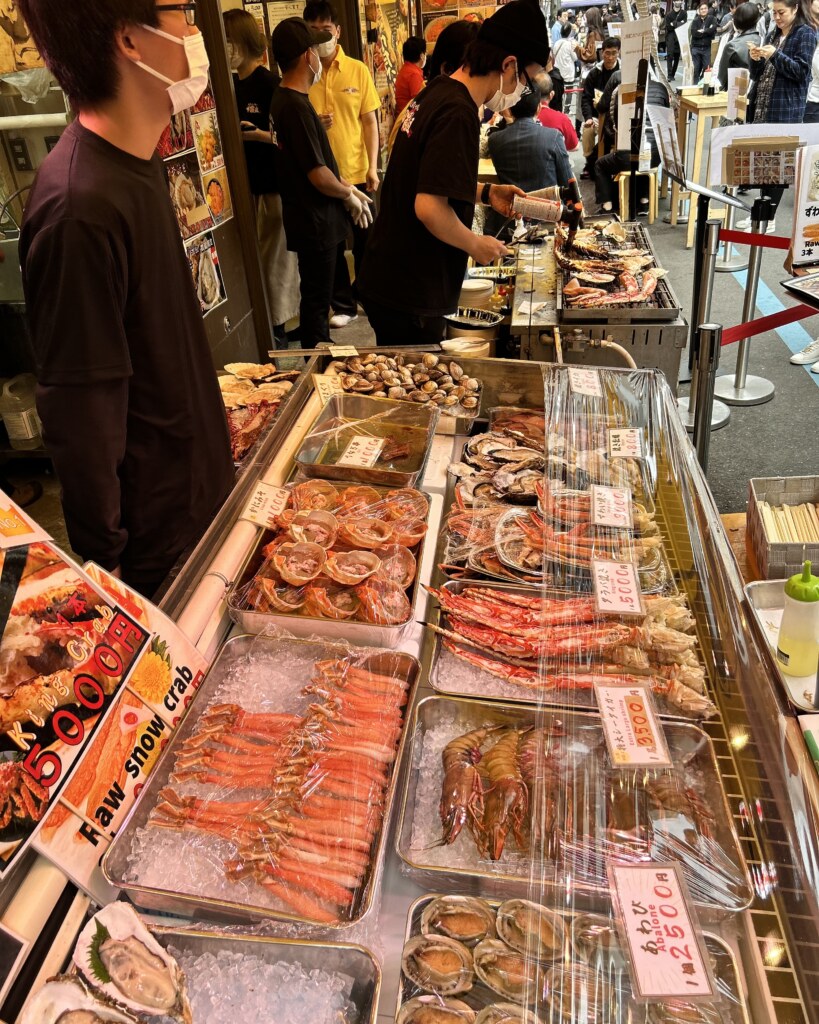
Start with the Tsukiji Fish Market, a seafood lover’s paradise. Arriving early in the morning gives you the benefit of catching the lively atmosphere and vendors as they prepare for the day. The market is famous for its fresh seafood. Indulge in a delicious Japanese breakfast at spots like Sushi Zamei, Taneichi, or Sashimi bar. Strolling through the market, you’ll find a variety of other food stalls and shops selling everything from sushi to wagyu and traditional Japanese deserts. The energy of tsukiji market is an unforgettable experience that sets the tone for the trip and Tokyo’s rich culinary culture.

Asakusa and Senso-ji Temple

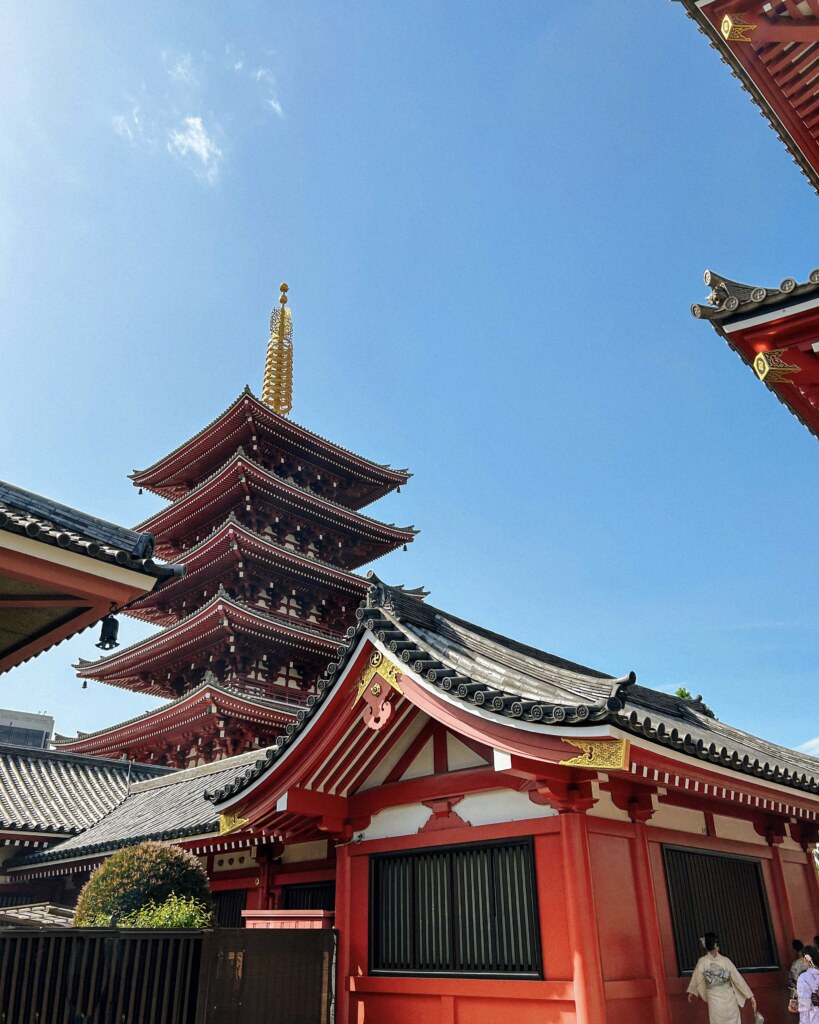
Next, head over to Asakusa, a district rich with historical and traditional undertones. The highlight here is Senso-ji Temple, Tokyo’s oldest and most famous temple. As you approach the temple, you’ll pass through the Kaminarimon (Thunder Gate), adorned with a massive red lantern. Inside, the temple grounds is a striking five-story pagoda and beautiful surrounding gardens.
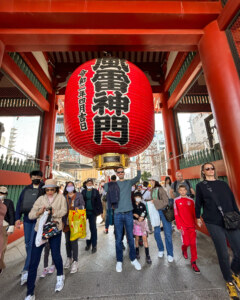
 

Nakamise Shopping Street, which leads to the temple, is lined with shops selling traditional snacks, souvenirs, and crafts. It’s the perfect place to pick up some gifts and if you save room, sample more local delicacies. Don’t forget to draw a fortune slip at the temple and explore the surrounding area, which offers a glimpse into Tokyo’s past.

For a unique perspective on Asakusa, consider taking a rickshaw tour. The friendly drivers will share fascinating stories about the neighborhood’s history and evolution, making the visit even more memorable.
Ueno Park

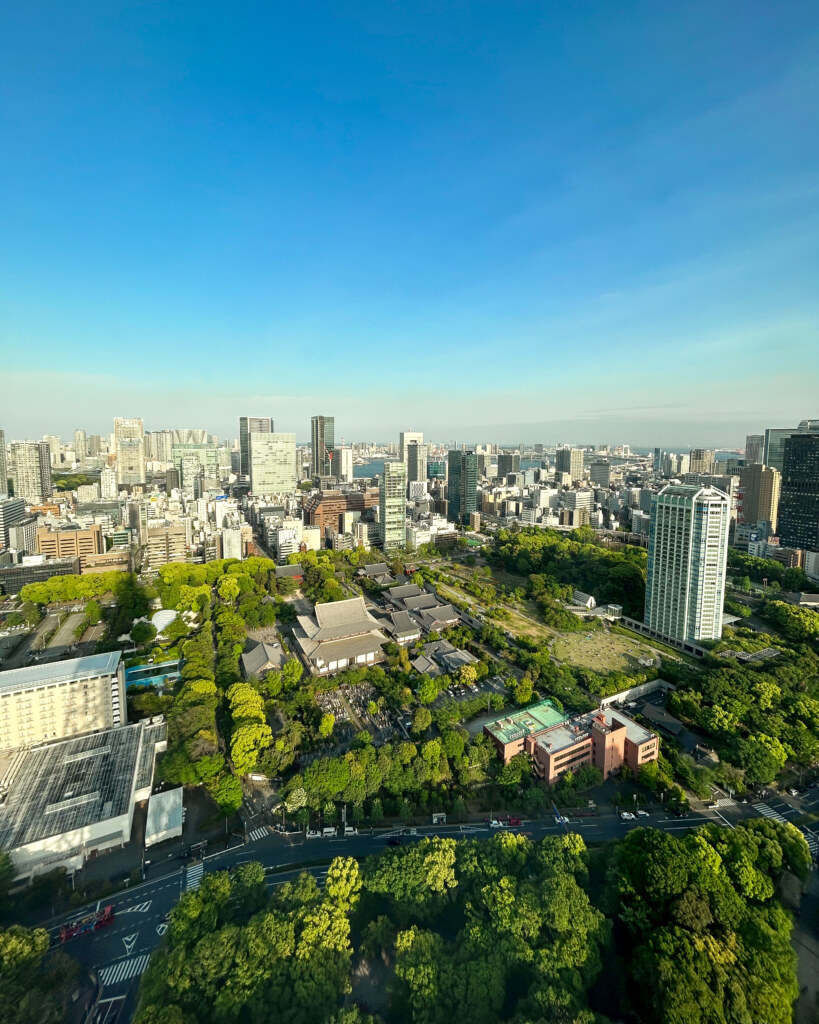
After diving into Asakusa’s history, take a short metro ride to Ueno Park. This massive park is one of Tokyo’s most famous, known for its beautiful cherry blossoms and cultural attractions. Stroll through the park’s peaceful pathways, visit the serene Nezu Shrine, and enjoy the lush greenery that provides a tranquil escape from the city’s hustle and bustle. This is a great spot to take some beautiful photos.

If you’re a museum lover, at Ueno Park you can also find several notable museums, including the Tokyo National Museum, the National Museum of Nature and Science, and the Ueno Zoo, Japan’s oldest zoo. These cultural institutions offer a deeper understanding of Japan’s rich history and natural heritage.

Akihabara & A Little bit of Nightlife

Akihabara, often referred to as the mecca for anime, manga, and video game enthusiasts, turns into an electrifying district by night. As the sun sets, the neon lights flood the streets, creating a ‘techy’ vibe that captures the essence of modern Tokyo. Even if gaming and anime isn’t your vibe, the area itself provides a fascinating glimpse into the intensity and fascination enthusiasts have surrounding this industry.

Walking around you can easily explore countless shops dedicated to anime, manga, and gaming. If you’re into arcades, you’ll be in heaven at the SEGA Akihabara, where you can try your hand at claw machines, rhythm games, and the gaming classics. 

If you’re feeling adventurous and maybe a little bit curious, visit one of Akihabara’s famous maid cafes. While these cafes are primarily frequented by men, they are more than just places to eat and drink; they’re an immersive experience where waitresses dressed in cute maid costumes serve with a blend of theatrical flair and genuine warmth. As a lady visiting the cafes, the girls were super friendly and honestly, I think wanted to talk to me more than their usual male clients. Each visit is a quirky, PG-13 journey into a fantasy world, complete with playful interactions, themed menus, and performances. Popular maid cafes like “At-home Café” and “Maidreamin cafe” provide an entertaining and memorable dining experience that’s quintessentially Akihabara.

Day 2: Modern Tokyo Highlights

Dedicate the second day in Tokyo to uncovering a modern Japan. Start with a visit to Tokyo Skytree for panoramic views, then go for a walk through the Imperial Palace and East Gardens. In the evening, indulge in luxury shopping and dining in the upscale district of Ginza.

Tokyo Skytree

Start your day at the Tokyo Skytree, Japan’s tallest structure standing at 634 meters, and later visit the iconic Tokyo Tower. The Skytree offers two main observation decks: the Tembo Deck at 350 meters and the Tembo Galleria at 450 meters, both providing stunning panoramic views of Tokyo and beyond. From up top you will really get a good look at just how massive a city Tokyo really is. When we visited there were two different ticket prices for each level. For an unforgettable experience, visiting both observation decks is the way to go. I definitely recommend purchasing tickets ahead of time. Tickets can be purchased LINK>>>, and visiting during off-peak hours can help you avoid long lines. Whether you visit during the day or at night, the unparalleled view of the city’s skyline is absolutely worth it!

The Imperial Palace and East Gardens

Next, head to the tranquil haven of the Imperial Palace and East Gardens, nestled in the heart of Tokyo. The Imperial Palace East Gardens are open to the public and offer a peaceful retreat with beautiful seasonal flowers and historical ruins.

Take a leisurely stroll through the gardens, enjoying the meticulously maintained landscapes and tranquil atmosphere. The contrast between the modern cityscape and the historical significance of the Imperial Palace makes this a must-visit destination in this amazing city.

Ginza

In the evening, head to Ginza, Tokyo’s most luxurious shopping district. Not like your typical shopping malls, Ginza is renowned for its high-end boutiques, flagship stores of international fashion brands, and upscale department stores. It’s a shopper’s paradise, offering everything from designer clothing to exclusive accessories.

Ginza is also home to some of Tokyo’s finest dining establishments, many of which have been awarded Michelin stars. Splurge on a world-class dining experience at one of the district’s exclusive restaurants, or check out the gourmet food halls in the department stores.

For a cultural experience, visit the Kabuki-za Theatre, where you can watch traditional Kabuki performances. The theatre offers ongoing shows and guided tours, providing a glimpse into Japan’s rich cultural heritage. LINK>>>

Day 3: Trending Tokyo Sightseeing

Spend your third day exploring the city’s fashionable districts. Start with the iconic Shibuya Crossing and the Hachiko Statue, then dive into the vibrant fashion and street food scene of Harajuku and Takeshita Street. Finish your day with a visit to the serene Meiji Shrine and Yoyogi Park.

Shibuya Crossing and Hachiko Statue

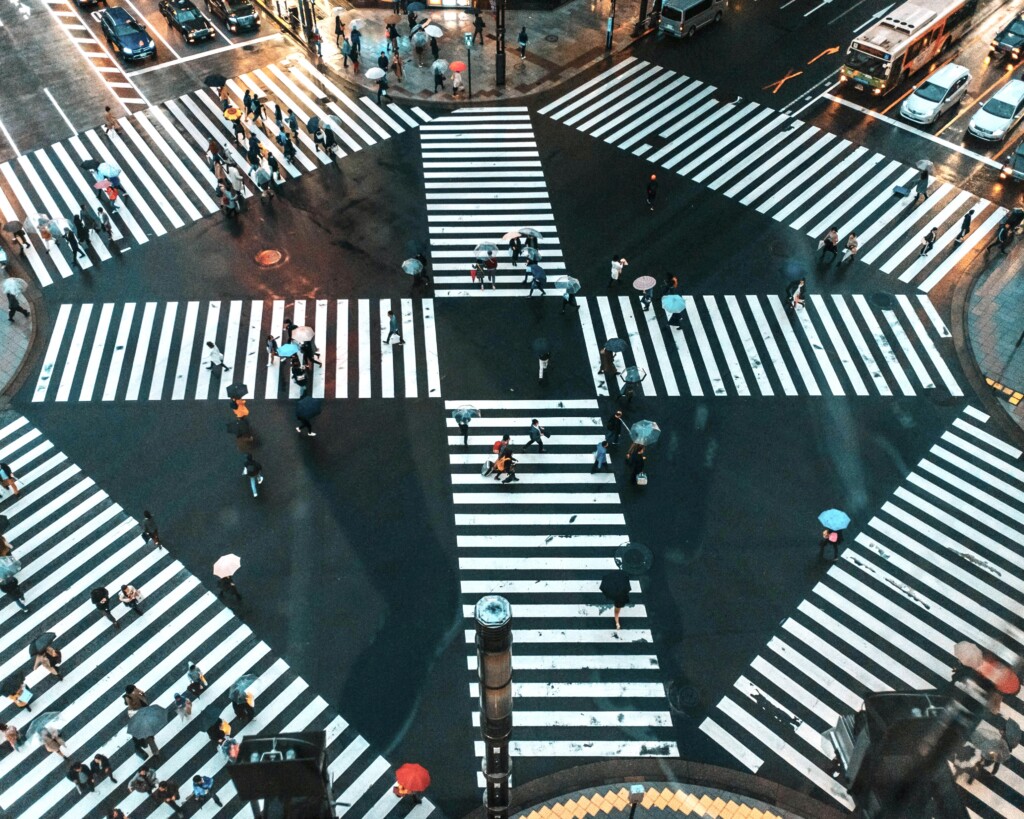
Start your day at the Shibuya Crossing, recognized as the world’s busiest pedestrian crossing. Watching the organized chaos as thousands of people cross from all directions is a quintessential Tokyo experience. The best time to visit is during the day when the area is busy with a lot of activity. To enjoy a prime view, head to one of the tall buildings facing the crossing, such as the Shibuya Scramble Square. Once there, take the elevator to the top where you can take pictures and videos and witness this iconic busy city from above.

Nearby, you’ll find the Hachiko Statue, a famous meeting point and symbol of loyalty in Japan. The statue commemorates Hachiko, a loyal dog who waited for his owner at Shibuya Station every day, even after his owner’s death. It’s a super touching story and if you’re a dog lover like me it can definitely make one teary eyed. Don’t forget to explore the trendy shopping area around Shibuya, including the iconic Shibuya 109 department store.

During our time here we opted to take in all these sights over a walking food tour with the meeting starting point at the Hachiko Statue. The food tour covered all of the above highlights with a guide and including some great local delicious food including ramen. Not to mention we made some fun friends a long the way. I can’t recommend it enough. If you’re interested in this booking you can find it here.

Harajuku and Takeshita Street

Proceed to Harajuku, the hub of Tokyo’s youth culture. Takeshita Street is the heart of Harajuku, lined with unique fashion boutiques, quirky shops, and food vendors. Here, you’ll experience the vibrant and eclectic styles that define Harajuku’s ‘kawaii’ culture.

Indulge in some of the area’s famous street food, such as cotton candy from Totti Candy Factory and visually appealing crepes from Santa Monica Crepes. The colorful and creative snacks are as much a part of the Harajuku experience as the fashion. Spend a few hours exploring the shops and enjoying the lively atmosphere.

Harajuku is also known for its trendy vintage shops and cosplay culture. Whether you’re looking for unique fashion finds or just want to soak in the energetic vibe, Harajuku offers a one-of-a-kind experience that you won’t find anywhere else in Tokyo.

Meiji Shrine and Yoyogi Park

Following the lively Harajuku visit, take a leisurely stroll to the peaceful Meiji Shrine. Dedicated to Emperor Meiji and Empress Shoken who once ruled Japan. This Shinto shrine is a peaceful retreat surrounded by a lush forest. As you enter the grounds, you can perform a water purification ritual and, if you’re lucky, witness a traditional Shinto wedding ceremony. The Meiji Shrine grounds offer a tranquil escape from the city’s chaos.

Adjacent to the shrine is Yoyogi Park, one of Tokyo’s largest city parks. The park is a popular spot for picnics, jogging, and leisurely walks. If you’re feeling hungry, inside the park you’ll find a Japanese restaurant by the name of Yoyogi, a great spot unwind and grab some Japanese foods with a Western touch.

Day 4: Art, Culture, and Nightlife

For the last day in Tokyo, here are some activities to consider:

  1. Visit the innovative TeamLab Borderless Digital Art Museum

  2. Unwind at the beautiful Shinjuku Gyoen National Garden

  3. Experience the vibrant nightlife of Shinjuku’s Golden Gai (actually this is a must)!

  4. End the night with some Karaoke !

During your days in Tokyo, these activities will allow you to explore Tokyo’s art scene, cultural offerings, and vibrant nightlife on your final day.

TeamLab Borderless Digital Art Museum

Start your day at the TeamLab Borderless Digital Art Museum, where the boundaries between art and technology are blurred for an immersive experience. The museum if full of interactive exhibits where the art moves and changes as you interact with it. It’s a unique and mesmerizing experience that will leave you in awe. Make sure to Purchase your tickets and book your timeslot in advance to avoid long waits. You can purchase tickets here. 

Shinjuku Gyoen National Garden

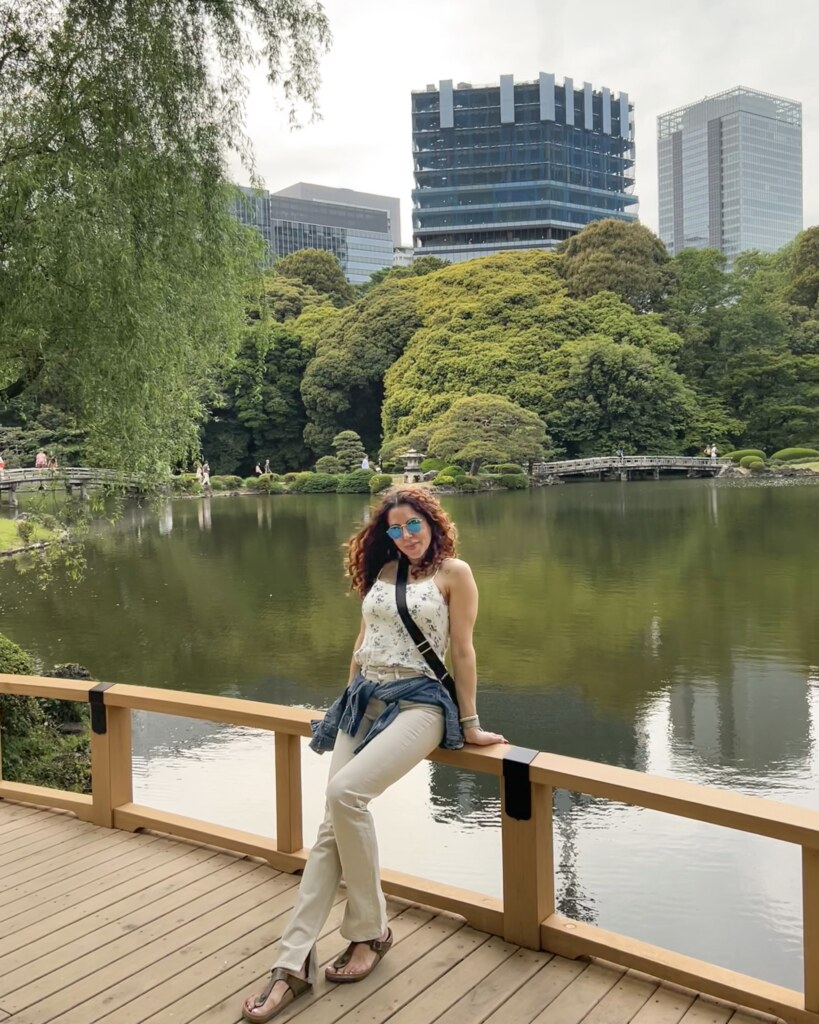
This beautiful national garden is celebrated as one of Tokyo’s most picturesque parks. The garden features three distinct styles: Japanese, French, and English, each offering a unique landscape to explore. During the spring season, the garden is especially breathtaking, making it a perfect spot for a peaceful morning stroll and of course some photos.

The garden’s features include:

  • Early blooming cherry trees

  • Meticulously maintained landscapes

  • Vibrant colors of spring

  • Lush greenery of summer

Shinjuku Gyoen offers a tranquil retreat that showcases the natural beauty of Tokyo, just a short distance from the Tokyo Metropolitan Government Building.

Don't Miss the Night Life in Golden Gai

As the day turns into evening, explore the quirky and vibrant nightlife of Shinjuku in the Golden Gai area (my favorite scene in Tokyo). This area comes to life right around happy hour and late into the night. The street is famous for its narrow alleyways filled with tiny, unique bars, each offering a different atmosphere and experience. The bars are super tiny and adorable making it a fun atmosphere to meet and talk to travelers from all around the world. It’s a great place to hop from bar to bar and soak in the eclectic vibe of Tokyo’s nightlife.

Other Good Things to Know...

Where to Stay in Tokyo

When deciding on accommodation in Tokyo, areas like Shibuya, Shinjuku, and Asakusa are worth considering due to their easy access to attractions and public transport. Shibuya is perfect for those seeking vibrant nightlife and entertainment, with plenty of mid-range accommodation options.

Shinjuku is ideal for first-time visitors wanting to experience Tokyo’s most most modern and energetic area. This neighborhood offers a wide range of hotels and easy access to major train stations, including the bustling Shinjuku Station, making it a convenient base for exploring the city. On the other hand, Asakusa provides a more traditional experience with its older Japanese architecture and laid-back vibe.

For those looking for luxury, Ginza offers upscale hotels, fine dining, and high-end shopping. Other neighborhoods like Akihabara and Ueno are great for pop culture enthusiasts and those interested in anime and manga. No matter your preference, Tokyo has a neighborhood that will make your stay enjoyable and memorabl.

Start hotel search

Additional Activities and Day Trips

If your stay in Tokyo allows for additional time, you might want to enrich your itinerary with one or two exciting day trips from the city. Mount Fuji is a popular destination, offering stunning views and outdoor activities. You can travel from Tokyo to Hakone, known for its hot springs and the relaxing ambiance of Lake Ashi.

Some excellent day trip options near Tokyo include:

  • Nikko, famous for its beautiful temples and natural scenery

  • Yokohama, a port city with attractions like the Cosmo Clock and the Ramen Museum

  • Kawagoe, also known as ‘Little Edo,’ with its traditional Kurazukuri buildings and iconic Bell Tower

These destinations offer a variety of experiences and are worth exploring during your time in Tokyo. If you’re looking for a scenic retreat, consider visiting Hitachi Seaside Park, renowned for its vibrant baby blue-eyes flowers in late April and striking autumn foliage. Odaiba offers a scenic evening experience with views across Tokyo Bay and a small replica of the Statue of Liberty. Each of these day trips provides a unique perspective on Japan, complementing your Tokyo adventure.

All in all...

Tokyo offers a perfect blend of traditional and modern experiences that cater to all types of travelers. From the bustling Tsukiji Fish Market to the serene Meiji Shrine, to the trendy Harajuku streets to the luxurious Ginza district, this city has something for everyone. I hope my four-day itinerary helps you make the most of your visit, exploring the highlights and hidden gems of Tokyo.


Discover more from Cristy Travels

Subscribe to get the latest posts sent to your email.

Continue reading

Continue reading posts related to the country or the traveling way.

Discover more from Cristy Travels

Subscribe now to keep reading and get access to the full archive.

Continue reading