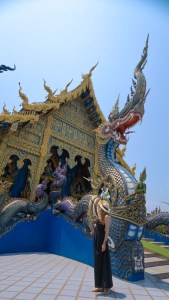
Thailand Travel Guide: Everything You Need to Know Before You Go

Golden temples at sunrise, tuk tuks weaving through the chaos, street food that ruins you for anywhere else, and beaches that feel almost invented. Thailand is every bit as magic as you're hoping. Here's exactly how to plan it: when to go, how to get around, what to pack, and how to make your baht go further.
Written by

Helena Blackburn

Written by

Cristytravels

Thailand Travel Guide: Everything You Need to Know Before You Go

If Thailand has been sitting on your “someday” list, let this be your sign. My husband and I spent just over two weeks working our way from Bangkok, up to the temples of the north, and finally down to the island of Koh Samui for a proper beach-and-sunshine finale. I came home with a full camera roll, a slightly sunburned nose (courtesy of that island sun), and a very long list of things I wish someone had told me before we boarded.

So consider this your friendly pre-trip briefing. This is the home base for our whole Thailand series, and I am linking out to two deeper temple guides plus our Koh Samui escape at the bottom. But first, the practical stuff: when to go, how to get around, what all those baht are worth, and what to actually pack so you are not sweating through a temple dress code at 9am.

Best Time to Visit Thailand for Weather

Thailand runs on three seasons, and none of them line up neatly with the calendar you are used to.

  • Cool and dry season (November to February): This is the golden window. Skies are clear, humidity finally takes a breather, and daytime temps sit in the low 20s to low 30s Celsius (roughly 70s to high 80s Fahrenheit). If your priority is picture-perfect weather, this is it.
  • Hot season (March to May): Exactly what it says. Bangkok and the inland north can push past 35 Celsius (95 Fahrenheit and climbing), and the northern regions get a hazy “burning season” from the agricultural fires. Beautiful, but you will be planning your day around shade.
  • Green season (June to October): The rainy months. But do not let the word “monsoon” scare you off completely. Early in the season the rain tends to come in short, dramatic afternoon bursts and then clears, leaving everything impossibly lush.

The honest truth from us: we went in the thick of the heat, and while I would not trade our trip, I will tell you plainly that the cool season is the easier ride if this is your first time.

Best Time to Visit Thailand for Your Budget (and for Beating the Crowds)

Here is the part nobody tells you at the same time as the weather chat: the season with the best weather is also the most expensive and the most crowded.

  • Peak prices and peak crowds: December and January. Christmas and New Year send rates to the highest of the year, and the famous spots feel famous.
  • The sweet spot: November. The weather has turned lovely, but you can still catch shoulder-season pricing early in the month before everyone else arrives.
  • The best value: June through early October. This is when hotels quietly drop their rates, sometimes dramatically. Tours are less packed, and you get temples almost to yourself between rain showers. If you are the flexible type who does not mind a wet afternoon, your money stretches so much further here.

My rule of thumb: go in the cool season if the weather matters most, and go in the green season if the budget and the elbow room matter most. There is no wrong answer, just a trade.

How to Get Around Thailand

Getting around is honestly half the fun, and I say that as someone who does not usually enjoy transit.

Tuk tuks. You cannot come to Thailand and skip a tuk tuk. These little open-air three-wheelers are loud, breezy, slightly chaotic, and the most fun you will have getting from A to B. A few tips, learned the practical way. Always agree on the price before you climb in, since they are not metered. Keep small bills handy. And treat the ride itself as the attraction, not the fastest way to your destination. My husband thought I was being dramatic photographing every single one until he realized he was doing it too.

Grab. This is the local ride-hailing app and it will become your best friend. Prices are set in-app so there is no haggling, no language barrier, and no wondering if you are overpaying. Download it before you land.

Bangkok’s BTS Skytrain and MRT. In the city, the elevated Skytrain and subway are clean, cheap, air-conditioned, and blissfully above the traffic. When Bangkok gridlock hits (and it will), these save your day.

Domestic flights. Thailand is bigger than people expect. Hopping between Bangkok, the north, and the islands is usually a quick, affordable domestic flight rather than an epic drive. Book these a little ahead for the best fares.

Ferries and songthaews. Island-hopping runs on ferries, and around the north you will spot songthaews, the red pickup-truck shared taxis you flag down and pile into. Cheap, local, and part of the experience.

Money and Currency in Thailand

The currency is the Thai baht (THB), and the single most important thing to know is this: cash is still king.

  • Plenty of temples, markets, tuk tuks, and small restaurants are cash only. Several major temple entrances (including the Grand Palace) do not take cards at all.
  • ATMs are everywhere, but they charge a per-transaction foreign fee. So I pulled out larger amounts less often, rather than tiny amounts constantly.
  • Bigger hotels, resorts, malls, and nicer restaurants take cards happily.
  • Tipping is not deeply expected, but rounding up or leaving a little for good service is always appreciated.

My move: keep a mix of small bills for tuk tuks and street food, and never let yourself get down to your last few notes before a temple day.

What to Wear in Thailand

Two forces are at war in your suitcase here: the heat, and the temple dress codes. You are dressing for both.

  • Cover your shoulders and knees at temples, both men and women. This is non-negotiable at the sacred spots. The strictest, like the Grand Palace, will turn you away or hand you a cover-up to rent.
  • Lightweight, breathable fabrics are your friend. Linen, cotton, anything loose and airy. This is not the trip for anything clingy.
  • Slip-on shoes, always. You will be taking your shoes off constantly to enter temple buildings, so sandals or slides you can kick off in two seconds will save you so much fumbling.
  • Pack a light scarf or sarong. It doubles as shoulder cover at temples, sun protection, and a wrap for over-air-conditioned restaurants. It is the hardest-working item in my bag.

I break all of this down temple by temple in the guides below, because the rules do shift slightly from place to place.

A Quick Word on the Food

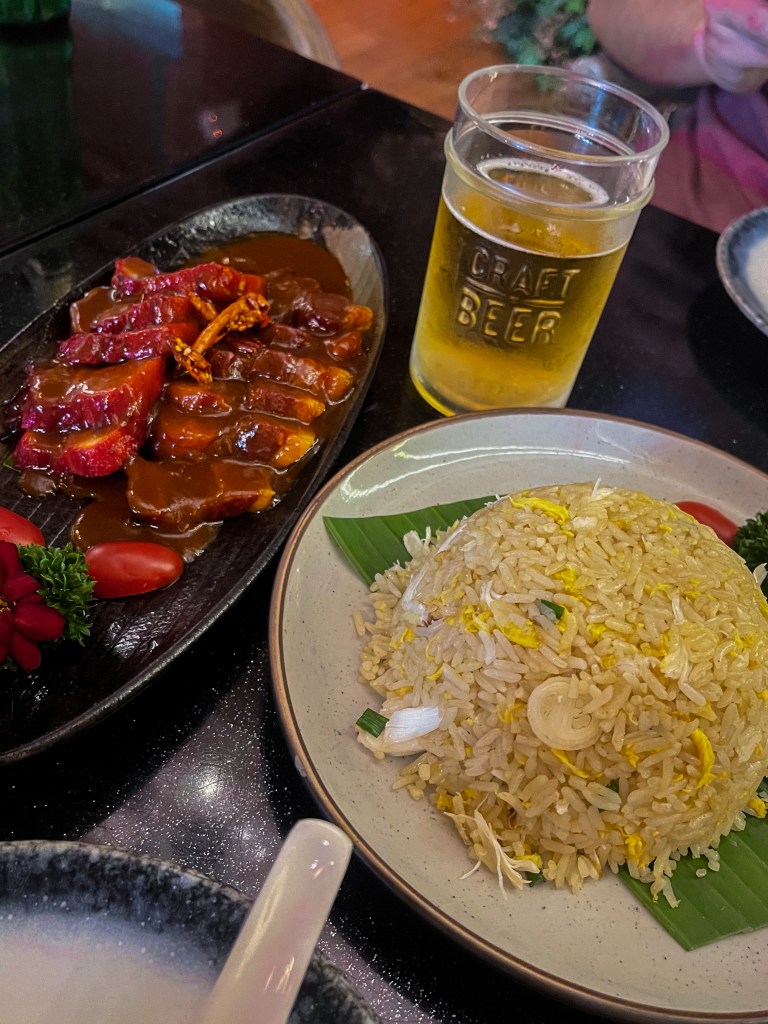
I cannot write a Thailand guide and stay quiet about the food, so I will just say this: come hungry and stay curious. From late-night Chinatown street stalls in Bangkok to a bowl of khao soi in Chiang Mai that I still think about, the eating was every bit as memorable as the sightseeing. I fold my specific restaurant and dish recommendations into each regional guide, right alongside the temples, because half the joy of temple-hopping is where you refuel afterward.

Where to Go Next in Our Thailand Series

This guide is just the beginning. Over the next few weeks I’m rolling out the rest of the series, one deep-dive at a time:
  • The Must-Visit Temples in Bangkok (coming soon): the Grand Palace, the reclining Buddha, the Temple of Dawn, and the marble stunner most people miss.
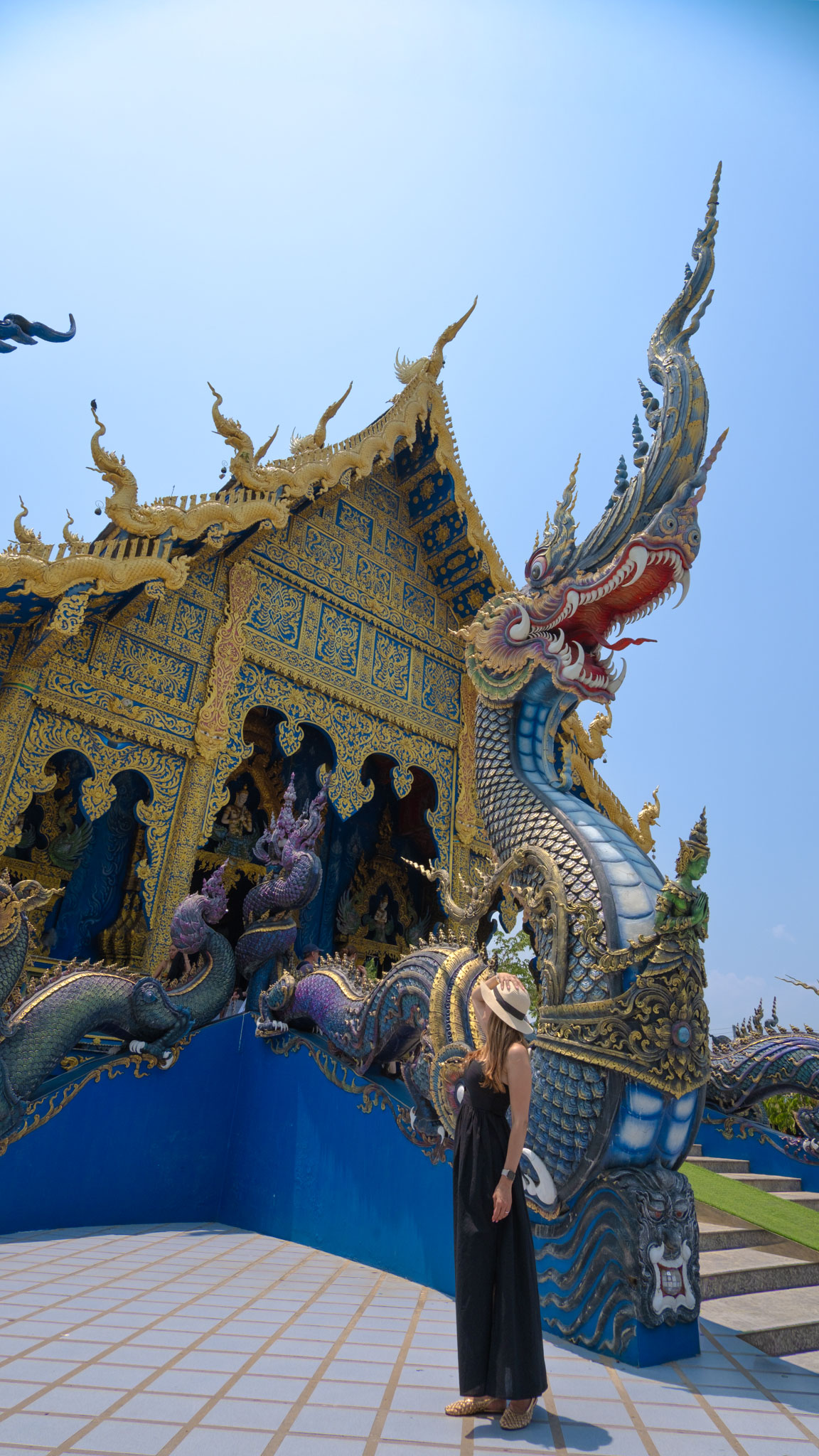
  • The Most Beautiful Temples in Chiang Mai and Chiang Rai (coming soon): the White Temple, the Blue Temple, a silver temple, and a golden mountaintop with a view.

Don’t want to miss them? Subscribe below and you’ll be the first to know when each one drops. I’m sharing sneak peeks and behind-the-scenes along the way over on Instagram [@cristytravels], so follow along there too.

And if you’re ready for the beach right now, this one’s already live: The Most Romantic Getaway in Koh Samui, Thailand.

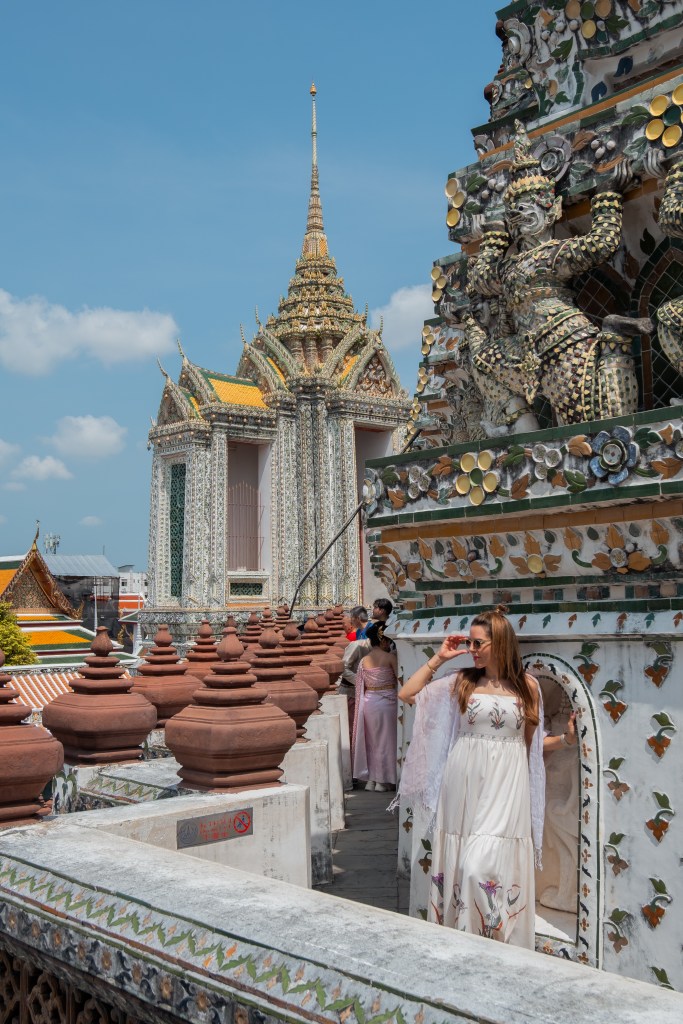
Woman in a white dress at Wat Arun temple, with its porcelain spires, in Bangkok, Thailand
Thailand Travel Guide FAQ

What is the best month to visit Thailand? November through February brings the best weather. If you want lovely weather with lower prices, November is the sweet spot. For the cheapest rates and thinnest crowds, aim for June through early October.

Do I need cash in Thailand? Yes. Many temples, markets, tuk tuks, and small eateries are cash only, and several major temple entrances do not accept cards. Carry Thai baht and keep small bills on hand.

Is Thailand a good destination for couples? Absolutely. It blends culture, food, adventure, and genuinely gorgeous adults-only and boutique resorts, which makes it one of our favorite spots for affordable-luxury couples travel.

How many days do you need in Thailand? For a first trip covering Bangkok plus the northern temples, plan for at least a week. Add a few more days if you want to fold in the islands.

What should I wear to Thai temples? Cover your shoulders and knees, choose breathable fabrics for the heat, and wear slip-on shoes since you will remove them often. A light scarf or sarong is the most useful thing you can pack.

Ready to start temple-hopping? Begin with the best temples in Bangkok, then head north to the temples of Chiang Mai and Chiang Rai.


Discover more from Cristy Travels

Subscribe to get the latest posts sent to your email.

Leave a Reply

Discover more from Cristy Travels

Subscribe now to keep reading and get access to the full archive.

Continue reading